

Authentic Italian wood-fired pizza is defined by a slow-fermented ‘00’ flour dough, premium San Marzano tomatoes, fresh mozzarella and intense 450–500°C oven heat. Cooked in just 60–90 seconds, it develops a light, airy crust with signature charred bubbles and subtle smoky flavour that cannot be replicated in a conventional oven.
Why Wood-Fired Pizza Tastes Completely Different
An Italian wood-fired pizza is far more than just a meal; it’s a centuries-old culinary art form. For many, the first bite of a truly authentic pizza, fresh from a blistering hot oven, is a revelation. It creates an immediate and unmistakable difference that sets it apart from any other style you’ve ever tried. This isn’t just about cooking; it’s about a deep connection to Italian heritage and the passion poured into every step of the process.
The distinct character of this dish comes from a harmony of core elements. It all begins with the distinct wood fired pizza oven, the roaring heart of any traditional pizzeria. This is followed by the carefully prepared dough, a living ingredient that requires time and patience. Finally, the selection of simple, premium ingredients makes sure that every flavour is clean, lively, and perfectly balanced. This combination is the secret behind the unparalleled depth of flavour, special smoky aroma, and perfect texture that define traditional Italian pizza.
This exploration into the world of wood-fired pizza will reveal the time-honored techniques and secrets behind its magic. We’ll explore why this method, perfected over generations and central to authentic Neapolitan pizza, produces a culinary experience that is comforting and extraordinary. By the end, you will understand exactly what makes this beloved dish so incredibly special.
“Pizza is more than just food; it’s a slice of Italian history, culture, and pure joy.” – Chef Gennaro Contaldo
What Makes Authentic Italian Wood-Fired Pizza So Special?
The magic of an Italian wood-fired pizza lies in a trinity of elements: the searing heat of the oven, the patient artistry of the dough, and the integrity of the ingredients. Each component plays a vital role, working together to create a final product that is so much more than the sum of its parts. This is where tradition and technique converge to raise a simple dish into an unforgettable experience.
Here are the key aspects that define this culinary marvel:
- The Wood-Fired Oven (Forno a Legna): The heart of the operation is the wood fired pizza oven, or forno a legna. These are not your standard kitchen appliances. Traditionally built from stone or brick, often in a dome shape, these ovens are designed to absorb and radiate intense heat, reaching temperatures between 450-500°C (850-930°F). This extreme heat, generated solely by burning wood, is the secret to the rapid cooking time of just 60 to 90 seconds. Hardwoods like oak, ash, or beech are favored for their clean burn and sustained heat, contributing subtly to the flavor without overpowering it. This flash-cooking process is essential; it instantly locks in the moisture of the toppings, keeping them fresh and lively, while creating the signature wood fired pizza flavor. The skill of the pizzaiolo (pizza maker) in managing this intense environment is most important, making sure each pizza is cooked to perfection and upholding the benchmark set by classic Neapolitan pizza.
“The oven isn’t just an appliance; it’s the soul of the pizzeria, breathing fire and flavor into every pie.” – Gabriele Bonci (Roman pizza maestro)
- The Patiently Crafted Dough: Next is the soul of the pizza: the dough. A masterful authentic pizza dough recipe is grounded in patience. The key is slow fermentation, a process where the dough is left to rise for an extended period, often from 24 to 96 hours. This allows complex flavours to develop, resulting in a light, airy, and easily digestible base. The ingredients are deceptively simple—high-quality Italian flour, filtered water, yeast, sea salt, and a touch of olive oil. Specifically, the use of ’00’ flour, a finely milled soft wheat flour with a low protein content, is key. This flour develops a delicate gluten structure ideal for a light, digestible crust. Hydration levels (the ratio of water to flour) are carefully balanced, often around 60-65%, to achieve the perfect texture. The real craft, central to Italian pizza making, is in the handling. The dough is always stretched by hand, a gentle technique that preserves the delicate air pockets (known as ‘alveoli’) and creates the beautifully thin, bubbly Italian pizza crust that is crisp yet chewy. Using rolling pins would crush this structure, resulting in a dense, flat base.
- Premium, Simple Ingredients: Finally, the pizza is dressed with premium ingredients, where the philosophy is “less is more.” The focus is on sourcing high-quality components that shine on their own. The base of a perfect San Marzano tomato pizza is a lively sauce made from certified tomatoes grown in volcanic soil, known for their natural sweetness and low acidity. San Marzano D.O.P. tomatoes, grown in the Agro Sarnese-Nocerino region near Mount Vesuvius, are prized for their elongated shape, firm flesh, and balanced sweet-acidic taste. They are minimally processed, often simply crushed by hand for the sauce. This is topped with fresh cheese, like that used in a mozzarella di bufala pizza or its close relative, Fior di Latte, which melts into creamy pools without becoming oily or dry. Mozzarella di Bufala Campana (with its D.O.P. status) offers a tangier, richer flavor and more moisture, while Fior di Latte (cow’s milk mozzarella) is milder and melts more consistently. A drizzle of extra virgin olive oil, a few leaves of fresh basil, and select seasonal Italian pizza toppings complete the masterpiece. Fresh basil, typically added after the pizza leaves the oven, preserves its delicate aroma and lively green color, which would otherwise burn in the high heat. This commitment to simplicity allows the pure quality of each ingredient to be the star.
Il Verde’s Commitment to Authentic Italian Pizza Excellence
At Il Verde, we channel this rich heritage into every pizza we create. Our dedication is to deliver a truly authentic Italian pizza experience that honors traditional methods while adopting a modern sensibility. We believe the best food comes from a place of respect for the past combined with a passion for the present.
Our approach is a distinct blend of traditional Italian cooking techniques with contemporary flavours and the best seasonal produce Brisbane has to offer. We source the finest Italian imports, from our ’00’ flour to D.O.P. certified San Marzano tomatoes, and combine them with the freshest seasonal produce Brisbane has to offer. This allows us to craft pizzas that are both authentically Italian and excitingly new. We address the challenge of maintaining authenticity while finding new ways to create by grounding every creation in the core principles of Italian cuisine. This commitment is reflected in our brand voice: “Authentic with a modern, contemporary edge,” making sure that every wood-fired pizza delivers a consistent, superior experience that tastes of true Italian tradition.
The Unmistakable Taste and Texture of Wood-Fired Perfection
The sensory experience of an Italian wood-fired pizza is what truly sets it apart. The combination of intense heat and traditional techniques produces a distinct profile of taste and texture that conventional ovens simply cannot replicate. From the very first glance to the final bite, every detail tells a story of craftsmanship.
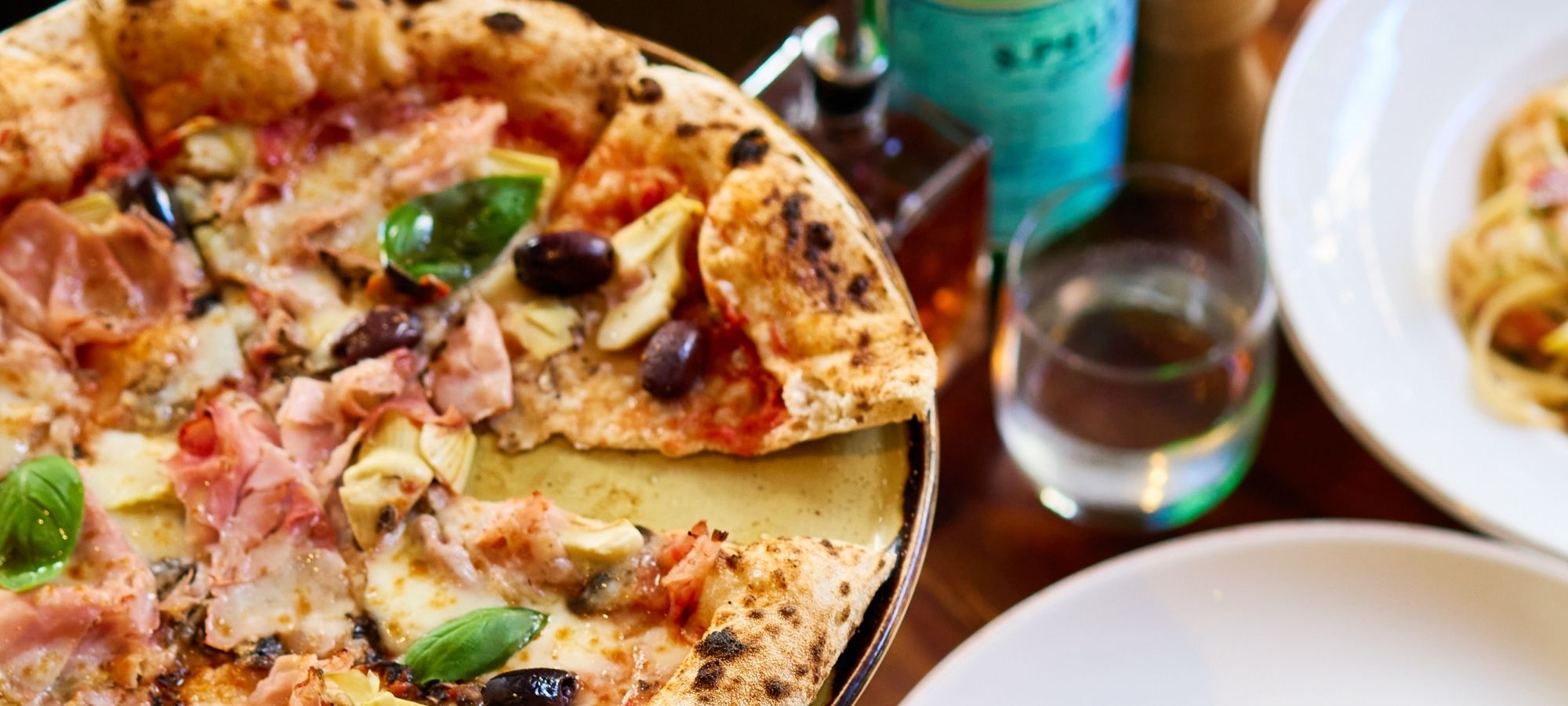
The most visually striking feature is the special crust. The high heat of the pizza forno a legna causes the dough to puff up rapidly, creating a pattern of light charring and blistering often called “leopard spots.” These spots are a hallmark of authenticity and provide a delightful textural contrast. The intense heat causes the crust to cook almost instantly, initiating the Maillard reaction and caramelization processes that give the crust its complex flavors and appealing golden-brown hues. The outer edge, or cornicione, is wonderfully crisp and bubbly, while the interior remains soft, light, and airy. This combination of crisp exterior and tender, airy interior is a textural marvel. Furthermore, the rapid cooking process locks in moisture, making sure the toppings stay juicy and lively. The cheese melts perfectly, the tomatoes retain their fresh sweetness, and the basil keeps its aromatic punch, all coming together in a harmonious bite.
Beyond the texture, the burning wood imparts a delicate, smoky flavour that subtly infuses the entire pizza. This is not an overpowering, burnt taste but rather a gentle undertone that adds a layer of complexity to the dish. This signature wood fired pizza flavor is a direct result of the traditional cooking method and is impossible to achieve with gas or electric heat. The smoke, containing volatile compounds from the burning hardwood, gently permeates the dough and toppings during the quick bake. This interaction creates a layer of subtle flavor that is distinct from simple charring. This smoky essence improves the natural sweetness of the tomatoes and the creaminess of the mozzarella, creating a well-rounded and deeply satisfying taste.
Many people also find that a pizza cooked in a wood oven feels lighter and is easier to digest. This is mostly due to the long, natural fermentation of the dough, which helps break down complex carbohydrates, making it gentler on the stomach. During the extended fermentation, yeast and beneficial bacteria in the dough work to pre-digest many of the starches and proteins (including gluten) found in the flour. This process breaks down complex molecules into simpler ones, which are easier for the human body to absorb. This means fewer uncomfortable sensations often associated with heavier, quickly-proofed doughs. The quick cooking time prevents the base from becoming dense and heavy, while the focus on minimal, balanced Italian pizza toppings avoids the overloaded, greasy feeling common with other pizza styles. The result is a dish that is exceptionally flavorful yet doesn’t weigh you down.
More Than a Meal: The Cultural Significance of Italian Pizza
In Italy, pizza is not just food; it is a cultural icon, deeply woven into the fabric of social life. It represents community, hospitality, and the simple joy of sharing a meal with loved ones. An Italian wood-fired pizza is designed to be enjoyed fresh from the oven, shared among friends and family in a lively, welcoming setting.
This dish is a social ritual. The very nature of the wood fired pizza oven supports this communal spirit. Its ability to produce pizzas continuously and quickly fosters an engaging and energetic dining environment, embodying the principles of true warm hospitality. It’s the perfect centerpiece for shared dining experiences, encouraging conversation, laughter, and connection. This is food that brings people together, turning a simple dinner into a memorable occasion. The enjoyment of a pizza made from a traditional pizza recipe is about more than just sustenance; it’s about the craftsmanship, the atmosphere, and the moments created around the table.
The history of pizza is deeply rooted in Naples, where it was originally a food for the working class. Its moment of glory came in 1889 when pizzaiolo Raffaele Esposito created the ‘Margherita’ for Queen Margherita of Savoy, using the colors of the Italian flag: red (tomatoes), white (mozzarella), and green (basil). From these humble beginnings, pizza became a global culinary ambassador, but its heart remains in Italy, symbolizing la famiglia (the family) and the joy of breaking bread together.
“Pizza is not just food; it is a way of life, a symbol of gathering, and the taste of home for Italians everywhere.” – Massimo Bottura (Michelin-starred chef)
At Il Verde, we bring this spirit to Brisbane. We cater to families, corporate professionals, and food enthusiasts looking for authentic Italian cuisine with a fresh, creative touch in a space designed for sharing. Our restaurant provides a warm, welcoming atmosphere perfect for group meals and social gatherings, raising the experience of enjoying the best wood fired pizza. Whether it’s a classic Margherita or a more contemporary prosciutto and rocket pizza, sharing a pizza at our tables captures the heart and soul of Italian conviviality, right here in King Street, Bowen Hills.
Conclusion
An authentic Italian wood-fired pizza is a true triumph of culinary tradition, where quality ingredients and expert craftsmanship come together in perfect harmony. Its distinctive character comes from the searing heat of the wood-burning oven, the patient art of a slow-fermented dough, the freshness of its components, and its deep cultural significance as a symbol of community. It offers a special sensory experience defined by an exceptional taste, a perfect texture, and a sense of history in every bite. Once you’ve experienced the real thing, it sets a new standard for what pizza can be.
FAQs
What Is The Ideal Temperature For A Wood-Fired Pizza Oven?
The ideal temperature for a wood-fired pizza oven ranges between 450-500°C (850-930°F). This extreme heat is what allows the pizza to cook in mere seconds, typically around 60-90 seconds. This high temperature is essential not only for speed but also for achieving the special blistered crust, airy cornicione, and perfectly cooked, yet still fresh, toppings that are hallmarks of a traditional Italian pizza. The intense heat ensures a rapid rise of the dough and efficient cooking of all components.
How Long Does It Take To Cook A Wood-Fired Pizza?
Thanks to the intense heat, an authentic Neapolitan pizza cooks in a remarkably short time, typically between 60 and 90 seconds. This rapid cooking process is vital for several reasons: it instantly locks in moisture, preserving the fresh flavours and nutrients of the toppings, and it creates the characteristic soft yet crisp texture of the crust without drying out the dough. Any longer, and the delicate balance of ingredients would be lost.
Why Is Slow-Fermented Dough Important For Authentic Italian Pizza?
Slow fermentation, often lasting 24 to 96 hours, is essential for developing a deep, complex flavour in the dough, often described as having subtle tangy notes similar to sourdough. Beyond flavor, it allows enzymes in the dough to break down complex carbohydrates and proteins, making it a lighter, airier texture filled with bubbles (alveoli) and, most importantly, makes the final pizza significantly easier to digest, so it feels less heavy and more satisfying.
What Are Typical Authentic Italian Pizza Toppings?
Authentic Italian pizza toppings are famously simple and focus on high quality, allowing each ingredient to shine. The classics include a base of crushed San Marzano D.O.P. tomato sauce, fresh Fior di Latte or mozzarella di bufala pizza, a few leaves of fresh basil (added post-bake), and a final drizzle of premium extra virgin olive oil. Other traditional options might include prosciutto, mushrooms, or olives, always used sparingly to maintain balance and avoid overwhelming the delicate crust.