

Fresh pasta is made from flour and eggs, creating a tender, silky texture that absorbs sauce beautifully. Unlike dried pasta, it cooks in just minutes and delivers a richer flavour and lighter bite. Handmade fresh pasta elevates any dish, offering superior texture, authenticity and a true taste of traditional Italian cooking.
What Makes Fresh Pasta So Much Better?
Imagine the comforting feel of a perfectly silky, tender noodle melting in your mouth, each bite coated in a rich, flavourful sauce. This is the magic of fresh pasta. It’s an experience that changes a simple meal into a memorable occasion. For many, pasta is a pantry staple, a box of dried spirals or tubes ready for a weeknight dinner. But what if the pasta itself was the star of the show? The difference between store-bought dried pasta and its handmade counterpart is not just a matter of ingredients; it’s a distinction you can taste, feel, and appreciate in every single strand.
Making pasta from scratch might seem like a task reserved for Italian nonnas, but it’s a rewarding process that connects you to the heart of Italian cooking. The simple combination of flour and eggs becomes something truly special. At Il Verde, our passion for authentic Italian dining in Brisbane is built on this very principle: honouring tradition and celebrating the incredible flavour that comes from quality ingredients. We believe in the power of handmade food to bring people together, whether it’s a family gathering, a corporate lunch, or a dinner for two.
As Italian culinary expert Marcella Hazan once stated,
“Pasta is a dish that everyone likes. It is a symbol of warmth and hospitality, a common thread that runs through the very fabric of Italian life.”
This guide is for anyone curious about the world of handmade pasta. We’ll explore exactly what sets fresh pasta apart from dried, walk you through the simple steps of making your own, and show you how this one small change can make a world of difference to your cooking. You’ll discover why food lovers and chefs alike champion the delicate texture and rich taste of pasta made by hand.
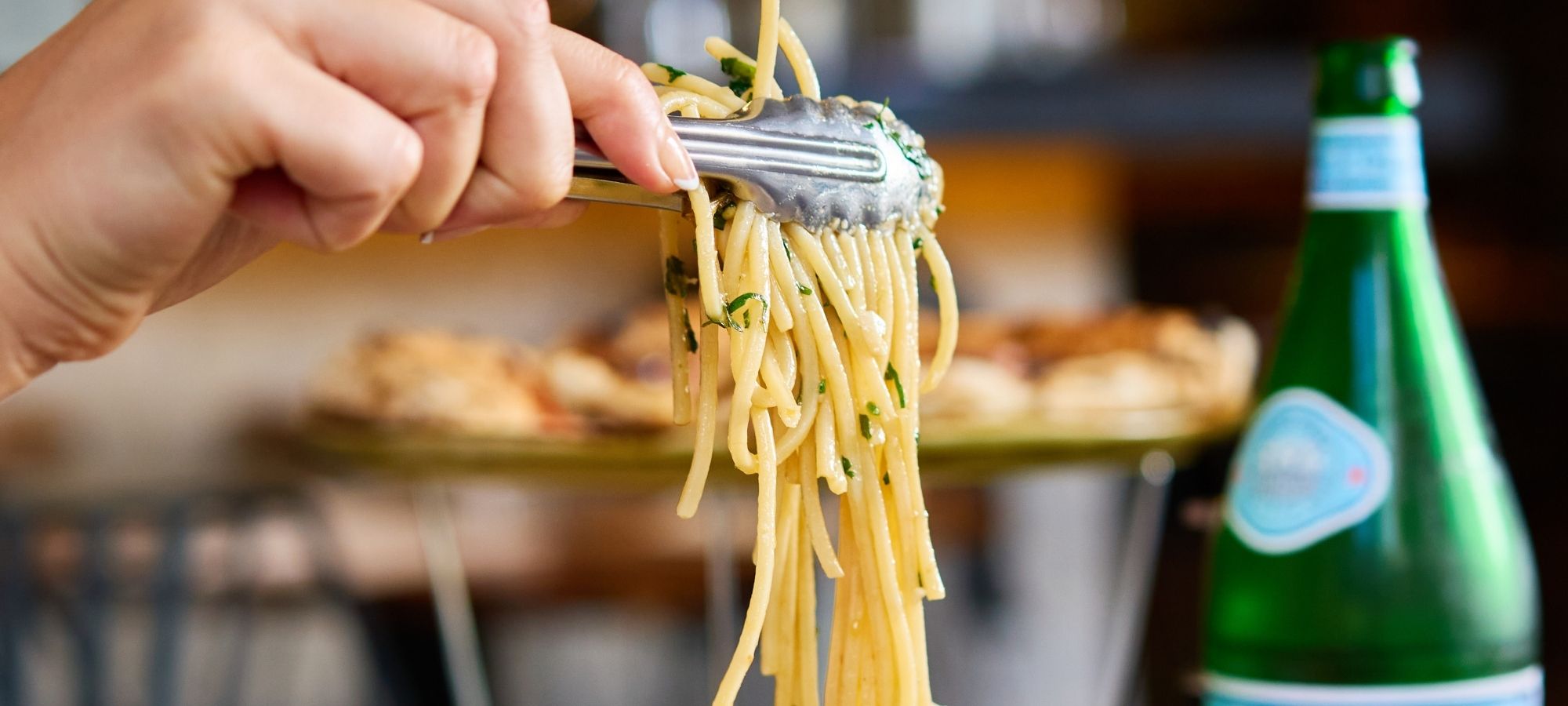
The Irresistible Charm of Fresh Pasta: Why Handmade Makes All The Difference
When you place a bowl of fresh pasta next to one made from dried, the differences are immediately apparent. It goes far beyond just cooking time; it’s a fundamental distinction in how they are made, how they taste, and how they interact with your favourite sauces. Understanding these points is key to appreciating why handmade pasta offers such a delightful dining experience.
The most basic difference lies in the ingredients and their preparation. Most dried pasta you find at the supermarket is made from durum wheat semolina and water. This combination creates a firm, durable product with a long shelf life, designed to withstand rigorous drying processes and maintain its structure. Fresh pasta, on the other hand, is traditionally made with a finer ’00’ flour and fresh eggs. The careful milling of ’00’ flour results in a powder-like texture that creates a smooth, tender dough. The addition of eggs provides a richer, more complex flavour, a beautiful golden colour, and significantly affects the dough’s texture and elasticity. This results in pasta that is wonderfully tender and delicate, with a porous quality that you just don’t get from dried varieties. While dried pasta has a satisfyingly firm bite, fresh pasta offers a silky, almost melt-in-your-mouth experience, a testament to its fresh composition.
This textural difference is what truly sets fresh pasta apart in a culinary sense. Its slightly rougher, more absorbent surface is a perfect partner for sauces. Instead of the sauce simply sitting on top of the noodle, it clings to and is absorbed by the pasta, creating a harmonious and integrated dish where every bite is full of flavour. Because it cooks in just a few minutes, its delicate nature is retained, preventing it from becoming overly soft. Furthermore, the dough acts as a blank canvas for creativity, allowing for beautiful shapes, natural colours from ingredients like spinach or beetroot, and stunning filled pastas like ravioli or tortellini.
“To make pasta, you need only three things: good flour, fresh eggs, and love. The rest is just technique.” – An old Italian proverb.
At Il Verde, we embrace the traditions of Italian food culture. Our commitment to handmade quality reflects an understanding that great food starts with great ingredients. By valuing techniques that produce superior flavour and texture, we ensure our dishes offer an authentic taste of Italy. This dedication to fresh, sustainably sourced ingredients is central to our philosophy, creating a modern, creative twist on classic Italian cuisine where quality pasta is always the hero.
Crafting the Perfect Fresh Pasta Dough: Essential Ingredients and Techniques
Creating the perfect fresh pasta dough at home is a simple, satisfying process that relies on quality ingredients and a few key techniques. Getting the foundation right is the most important step towards achieving that authentic, silky texture that makes handmade pasta so special.
The core ingredients are wonderfully straightforward, yet their quality makes all the difference. For the best results, you need the right kind of flour and fresh eggs.
- Flour: Many traditional recipes call for “00” pasta flour. This Italian flour is milled to an incredibly fine texture, resulting in a very low ash content and making it ideal for pasta, pastries, and bread. Its softness helps produce a smooth and tender dough. However, if you don’t have it on hand, a good quality all-purpose or plain flour is a perfectly good substitute and will still yield delicious results, albeit with a slightly chewier texture.
- Fresh Eggs: Eggs are the heart and soul of many Italian pasta doughs, particularly in the Emilia-Romagna style. They provide rich flavour, a beautiful golden colour (especially from free-range yolks), and the fat from the yolk adds to the dough’s elasticity and richness, making it easier to roll and giving it a delicate bite.
- Water or Olive Oil: Sometimes, a small amount of cold water is needed to get the dough’s hydration just right, especially if your eggs are smaller or your flour is particularly dry. A touch of good extra virgin olive oil can also be added to make the dough more pliable and add a subtle flavour.
- Salt: A common point of debate is whether to salt the dough or the cooking water. Most traditionalists argue for adding a generous amount of salt to the cooking water, as this seasons the pasta perfectly as it cooks without affecting the dough’s structure or causing it to seize during kneading.
One of the most valuable tips for making consistent pasta every time is to weigh your ingredients, especially the liquid. Eggs vary in size, so relying on “two large eggs” can lead to a dough that’s either too dry and crumbly or too sticky and difficult to work with. A great rule of thumb is to use 60ml of liquid (your eggs, plus any water or olive oil) for every 100g of flour. This precision takes the guesswork out and helps ensure your dough has the perfect consistency, though a slight adjustment may be needed depending on ambient humidity.
When it comes to mixing, you can use the traditional hand method by making a well with the flour on a clean bench and gradually mixing in the eggs from the centre outwards. For a quicker approach, a food processor or a stand mixer with a dough hook works beautifully. Whichever method you choose, the next step is kneading. This is essential for developing the gluten in the flour, which gives the pasta its structure, chewiness, and elasticity. Knead for 5-10 minutes by hand, or 3-4 minutes with a mixer, until the dough is smooth, shiny, and springs back when you press it. A well-kneaded dough should feel firm but supple, like a baby’s bottom. Finally, the dough must rest. Form it into a disc, wrap it tightly in plastic wrap, and let it sit in the fridge for at least 15-30 minutes, or even an hour. This step allows the gluten to relax, making the dough much easier to roll out later without it tearing or snapping back.
From Dough to Delight: Rolling, Shaping, and Sizzling Fresh Pasta
Once your fresh pasta dough has rested, it’s time for the most exciting part: shaping it into beautiful pasta forms. This is where the simple ball of dough becomes a delicate sheet ready to be cut into strands or formed into intricate shapes before its quick journey into a pot of boiling water.
To get started, you’ll need a few pieces of equipment, but you don’t need a professional kitchen. A pasta roller, either a manual hand-cranked machine or an attachment for a stand mixer, is fantastic for achieving consistently thin sheets of dough. If you prefer a more hands-on approach, a sturdy rolling pin (a smooth, heavy wooden one works best) and a clean, lightly floured work surface are all you need, though it requires a bit more effort and practice to get an even thickness. For special shapes like Garganelli, a small gnocchi board and a wooden rod (the handle of a wooden spoon works well) are invaluable.
The rolling process is all about gradually thinning the dough. Start by cutting your rested dough into four manageable sections, keeping the pieces you aren’t working with wrapped to prevent them from drying out. Lightly flatten one piece with your hand or a rolling pin. If using a pasta roller, set it to its widest setting and pass the flattened dough through. Fold the dough in half or into thirds (like a letter) and pass it through again a couple of times. This helps to further work the gluten, square off the edges, and create a smooth, even sheet. Then, gradually click the roller to thinner settings, passing the dough through once on each setting until you reach your desired thickness. For most pastas like tagliatelle or fettuccine, you’ll want to go down to a setting of 6 or 7 on a typical machine. To prevent sticking, lightly dust the sheets with flour or fine semolina as you go. Work quickly, as fresh pasta dries fast.
With your thin sheets ready, you can start cutting and forming your desired shapes.
- For rustic shapes like pappardelle or maltagliata, a sharp knife or pizza cutter is all you need to cut wide ribbons or irregular pieces.
- For uniform strands like spaghetti, tagliatelle, or fettuccine, a pasta cutter attachment on your machine is the most efficient tool. You can also carefully roll up a sheet of dough and slice it by hand.
- A truly special shape to try is Garganelli, a specialty from Emilia-Romagna. Small squares of dough are rolled around a wooden rod on a gnocchi board to create a ridged, hollow tube that is perfect for catching sauce. This shape highlights the versatility of fresh dough.
Cooking fresh pasta is incredibly quick. Bring a large pot of generously salted water (a good guide is 10g of salt per litre of water, ensuring it tastes like the sea) to a rolling boil. Add your pasta and cook for just 2-5 minutes, depending on thickness and shape, or until it’s ‘al dente’—tender with a slight bite in the centre. For very thin pasta or shapes like Garganelli, start taste-testing after 2 minutes. This dedication to quality and experience is something we celebrate at Il Verde. Our beloved Cheese Wheel Pasta Night is a perfect example, where we showcase high-quality pasta with a special tableside dining experience, turning a simple meal into an unforgettable event.
Improving Homemade Pasta: Creative Variations, Serving, and Smart Storage
One of the greatest joys of making fresh pasta is its versatility. The basic egg pasta dough serves as a perfect foundation for a huge range of dishes, from simple, unfilled strands to delicate filled pastas like ravioli and tortellini. With a few simple ideas, you can add creative flair to your dishes and make the most of every last scrap of dough.
A fun way to add visual appeal and extra nutrients is by creating coloured pasta, and the Assessment of Quality and environmental impact of pasta enriched with natural by-products shows that ingredient additions can measurably enhance both nutritional value and sustainability. For a vibrant pasta verde (green pasta), simply blend some steamed and squeezed spinach or cooked basil into the egg mixture before combining it with the flour. This creates a beautiful green dough that’s perfect for impressing guests. For the more adventurous, natural ingredients like beetroot juice (for pink), carrot juice (for orange), or squid ink (for striking black pasta) can also be used. Italian cooking is famously resourceful, and a “waste not, want not” approach applies to pasta making too. Don’t throw away your dough trimmings! Larger off-cuts can be sliced into irregular shapes to make maltagliata (‘badly cut’), a rustic pasta that’s delicious with a hearty sauce or in a soup like pasta e fagioli. Even the smallest scraps can be finely chopped to create pastina (‘little pasta’), which is perfect for enriching broths and soups, especially for children.
When it comes to serving your beautiful handmade pasta, simplicity is often best, allowing the fresh flavour and texture to shine. Classic Italian sauces like a rich ragù Bolognese, a simple tomato sauce made with high-quality tomatoes from Parma, a light pesto, or even just butter and sage, will complement the pasta without overpowering it.
“The secret to Italian cooking is simple: use good ingredients, and don’t complicate them.” – Lidia Bastianich, Italian-American chef and author.
To finish the dish like a professional, add a generous grating of Parmigiano-Reggiano and a knob of cold butter to the sauce at the end for a luxurious, glossy finish. And don’t forget the pasta water! Adding a spoonful or two of the starchy cooking water to your sauce is the secret to creating a perfectly creamy consistency that coats every piece of pasta, helping the sauce adhere beautifully.
Proper storage makes fresh pasta a convenient option for any night of the week.
- Refrigeration: Fresh dough can be wrapped tightly in plastic wrap and stored in the refrigerator for one to two days.
- Drying: For pasta meant to be stored for a few days at room temperature, it needs to be partially dried. Gently dust cut pasta with semolina flour and lay it on a clean cloth or a drying rack for a few hours until firm but still pliable. Store in an airtight container for up to 3-4 days.
- Freezing: You can wrap the dough tightly and freeze it for up to three months; just thaw it in the fridge overnight before using. Alternatively, you can freeze freshly cut pasta. Arrange the shapes in a single layer on a baking tray lined with parchment paper until solid (about 15-30 minutes), then transfer them to an airtight container or freezer bag. They can be cooked directly from frozen, adding about 1-2 minutes to the cooking time, making a delicious, homemade meal just minutes away.
Conclusion
In the debate of fresh pasta vs dried pasta, it’s clear that handmade pasta offers a truly special culinary experience. Its superior texture, richer flavour, and incredible ability to pair with sauces lift any dish from ordinary to exceptional. The satisfaction of making it yourself or the joy of savouring a professionally crafted plate connects you to a deep and wonderful food tradition. It’s about more than just a meal; it’s about appreciating craftsmanship and quality ingredients, and the pleasure of sharing good food.
At Il Verde, our dedication to authentic Italian cuisine is rooted in this philosophy. We believe in providing memorable dining experiences for our guests in Brisbane, and our commitment to quality is at the heart of everything we do. We invite you to join us and taste the remarkable difference that care, tradition, and fresh ingredients can make.
FAQs
- What’s the main difference between fresh and dried pasta?
The biggest difference is in the ingredients and texture. Fresh pasta is typically made with eggs and has a tender, delicate, and porous texture that absorbs sauce beautifully. It cooks very quickly. Dried pasta is made from semolina and water, resulting in a firmer, more resilient noodle with a longer shelf life and a different mouthfeel. - Can I use regular plain flour instead of ’00’ flour for homemade pasta?
Yes, absolutely! While ’00’ flour is the traditional choice for creating an extra silky texture due to its fine grind, good quality plain flour (all-purpose flour) is a great alternative and works very well for making homemade pasta. It’s a perfect and accessible starting point for anyone wanting to try making pasta from scratch. - How long does fresh pasta dough last in the fridge?
Your fresh pasta dough can be stored for one to two days in the refrigerator. To ensure it stays fresh, you should wrap it very tightly in plastic wrap to prevent it from drying out and forming a crust. For any longer-term storage, freezing the dough is the best option. - Why is it important to rest pasta dough?
Resting the dough is a vital step because it allows the gluten that you developed during kneading to relax. This makes the dough much more pliable and significantly easier to roll out into a thin, even sheet without it shrinking or snapping back. A rested dough is also less likely to tear, resulting in a better final texture for your pasta.