
Pasta is a traditional Italian staple made from wheat flour and water or eggs, shaped into hundreds of regional varieties and paired with complementary sauces. Fresh pasta offers a soft, delicate texture ideal for light sauces, while dried pasta provides a firm al dente bite suited to hearty ragùs. Both play essential roles in authentic Italian cuisine.
The Enduring Allure of Pasta: Fresh, Dried, and Handmade Delights
Imagine a dish that feels like a warm hug, a celebratory meal, and a simple weeknight dinner all at once. That’s the power of pasta. As a cornerstone of Italian cuisine, it has captured hearts and appetites worldwide, becoming a universal symbol of comfort and culinary joy. From the simplest bowl of spaghetti to the most intricate stuffed parcels, every shape tells a story, often tied to a specific Italian region and its history. This wide range is part of what makes the world of pasta so interesting to explore.
At the heart of this world lies a fundamental discussion: fresh pasta versus dried pasta. Both have their place and purpose in the kitchen, each bringing a distinct character to the table. Dried pasta offers a familiar, firm bite perfect for robust sauces, while fresh pasta provides a delicate tenderness that melts in your mouth. But beyond this choice, there’s another level of culinary experience—the one offered by handmade pasta. This is where craftsmanship, tradition, and flavor come together to create something truly special.
This exploration of pasta will explain the key differences between fresh and dried varieties, celebrate the unmistakable magic of handmade creations, and even show you how to bring that art into your own home. Here at Il Verde, we are passionate about honoring this craft. As a Brisbane restaurant dedicated to authentic Italian cuisine with a modern twist, we believe in the excellent experience that fresh, carefully made pasta provides—a philosophy we celebrate with every dish and at our beloved monthly Cheese Wheel Pasta Night.
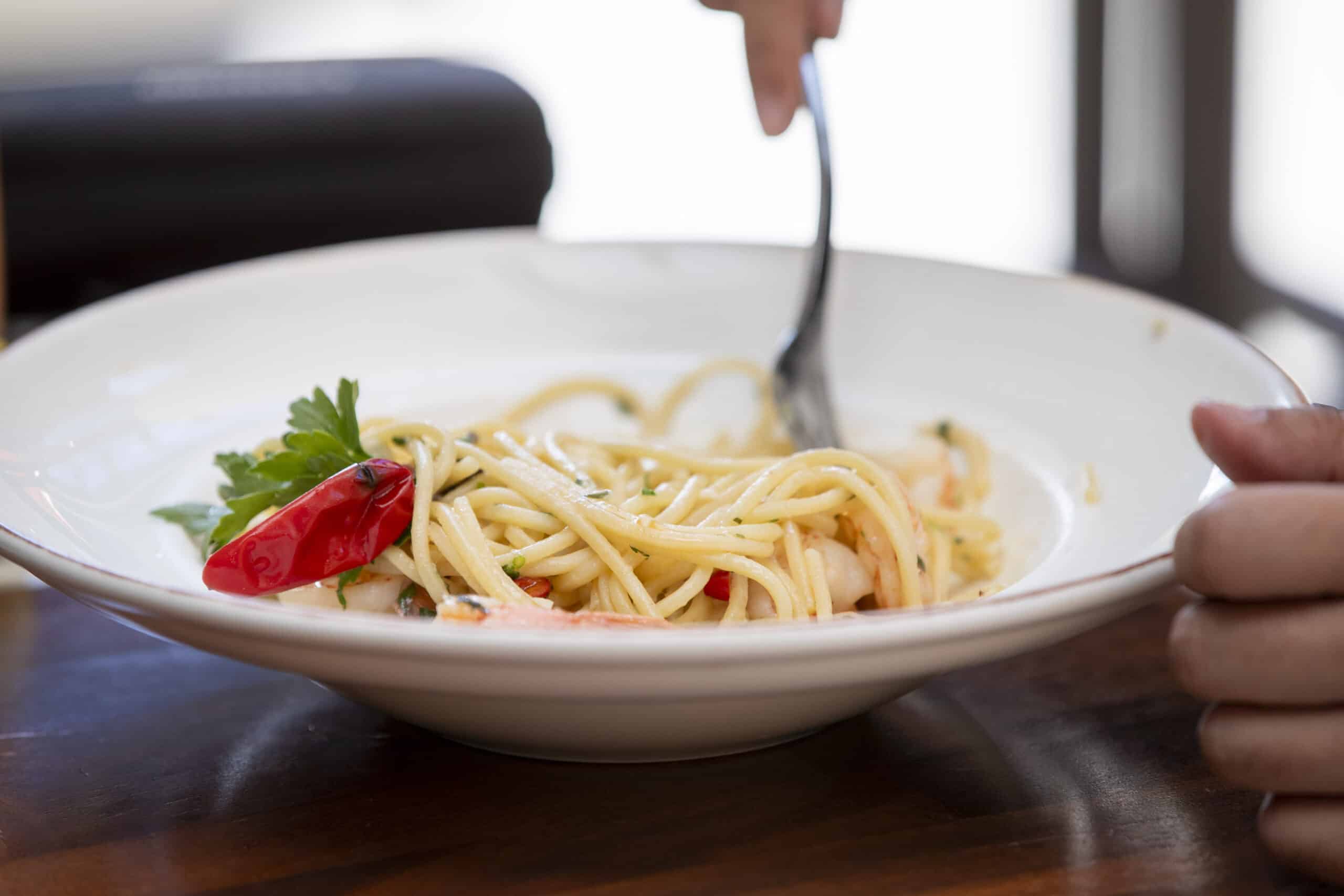

Fresh Versus Dried Pasta: Explaining the Key Differences
Understanding the fresh pasta vs dry pasta difference is key to understanding how to prepare this beloved staple well. While they may share a name, their composition, texture, and ideal uses are worlds apart. Choosing the right one can make a good dish great, so let’s break down their distinct characteristics.
Ingredients and Production
The divergence begins with the core ingredients. Fresh pasta is often an egg pasta dough, created with finely milled ’00’ flour and fresh eggs. This combination results in a rich, easy-to-work, and golden-colored dough. In some parts of Southern Italy, you might find fresh semolina pasta made with just flour and water. It is typically made and cooked on the same day, either rolled and cut by hand or with a small machine. This category includes everything from delicate sheets for homemade lasagna noodles to filled shapes like ravioli and tortellini.
Dried pasta, on the other hand, is almost always made from durum wheat semolina and water. Its eggless composition makes it sturdy and gives it a long shelf life. During industrial production, the dough is extruded through dies—traditionally bronze dies, which create a rough, porous surface perfect for catching sauce—and then slowly dried at low temperatures. This drying process removes all moisture, which means it can stay in your pantry for months.
Texture, Flavor, and Cooking Time
One of the most noticeable distinctions is the fresh pasta texture. It’s tender, delicate, and has a light, satisfying chew. Because it’s porous, it takes in sauces well, creating a good mix of tastes. The eggs in the dough also contribute a subtle richness. In contrast, dried pasta is known for its firm, sturdy structure and its ability to achieve that perfect al dente bite. It holds its shape well during cooking, making it well suited for cooking with heavy, chunky sauces.
This difference in composition directly impacts the cooking process. The fresh pasta cooking time is significantly shorter, often requiring just two to four minutes in boiling water. It’s ready as soon as it floats to the surface. Dried pasta needs more time to rehydrate and cook through, typically anywhere from eight to twelve minutes, depending on the shape.
Ideal Pairings
The particular qualities of each pasta type make them suitable for different culinary partners.
- The light quality of fresh pasta works well with simpler, more refined sauces. Think creamy sauces, simple butter and sage preparations, or light tomato sauces that won’t overwhelm its tender texture.
- For dried pasta, its sturdy form needs full-flavored partners. It stands up perfectly to thick meat ragùs, chunky vegetable sauces, and rich, olive oil-based creations that cling to its firm surface.
The Unmistakable Magic of Handmade Pasta
While fresh pasta from a shop is a step up, there is a truly special quality to handmade pasta. It’s where food moves beyond simple meals and becomes an expression of care, tradition, and passion — and a New NPA Study Finds that pasta eating is not associated with weight gain, reinforcing that this beloved staple can be enjoyed without guilt. This artisanal approach is what makes the difference between a good meal and a memorable one, a philosophy we cherish here at Il Verde.
“Handmade pasta is not just food; it’s a tradition you can taste, a connection to generations of Italian kitchens.” – A seasoned Italian cook
The excellent fresh pasta texture is immediately noticeable. When pasta is rolled by hand, it develops a delicate, almost silky quality that machine-made varieties struggle to replicate. It has a distinctive tenderness and a satisfyingly light chew that feels luxurious. This texture allows it to mix smoothly with its sauce, becoming one complete and delicious dish rather than just a carrier for flavor. The flavor itself is also richer. When using high-quality eggs for an egg pasta dough, the pasta has a deeper taste that provides a good foundation for any dish.
Beyond the taste and texture, homemade pasta connects us to a long line of Italian culinary heritage. The act of making shapes like tagliatelle, fettuccine, pappardelle, ravioli, and tortellini by hand is a skill passed down through generations. It represents a commitment to authentic Italian cuisine and an appreciation for the stories behind the food. The slightly uneven surface of this artisan pasta is not a flaw; it helps it absorb sauces even more effectively, ensuring every single bite is packed with flavor.
At Il Verde, this commitment to fresh, high-quality pasta is at the core of what we do. We believe in serving modern Italian cuisine that honors tradition, and our pasta dishes are a perfect example. This dedication comes to life wonderfully during our beloved Cheese Wheel Pasta Night. This dining experience involves finishing freshly cooked pasta tableside in a giant wheel of cheese, creating a rich, creamy sauce right before your eyes. It’s an interactive celebration of flavor and freshness that fosters shared culinary joy, providing an authentic and engaging dining experience for families, couples, and corporate groups in Brisbane.
Bringing the Art Home: Making Fresh Pasta From Scratch
There is great satisfaction in learning how to make pasta from scratch. It connects you to your food more deeply, and the difference in flavor is immediately apparent. Pasta making at home is less difficult than it seems and requires just a few simple ingredients and a bit of patience.
Essential Ingredients
The foundation of great handmade pasta starts with quality components. Understanding pasta flour types is a good first step.
- “00” Flour: This Italian flour is milled to an extra-fine texture, creating a silky and tender egg pasta dough. It’s a top choice for delicate northern Italian pastas like tagliatelle and ravioli.
- Semolina Flour: Made from hard durum wheat, semolina creates a sturdier dough with a more rustic bite. It’s often used for semolina pasta in southern Italy, typically mixed with just water.
- Fresh Eggs: For a rich and flavorful egg pasta dough, always use the best quality eggs you can find.
- Salt and Olive Oil: A pinch of salt enhances the flavor, and a small splash of olive oil can help the dough stretch.
Basic Pasta Dough Recipe
A classic ratio to start with is 100 grams of ’00’ flour to one large egg per person.
- Make a Well: Mound your flour on a clean work surface and create a large well in the center. Crack the eggs into the well, adding a pinch of salt.
- Slowly Mix: Using a fork, gently whisk the eggs, slowly incorporating flour from the inner walls of the well. Continue until a shaggy dough forms.
- Knead the Dough: Use your hands to bring the mixture together and begin kneading. Push the dough away from you with the heel of your hand, then fold it over and repeat. Knead for about 10 minutes, until the dough is smooth and elastic.
- Rest the Dough: Wrap the dough tightly in plastic wrap and let it rest at room temperature for at least 30 minutes. This step is important as it allows the gluten to relax, making the dough easier to roll.
Rolling, Shaping, and Cooking
You can roll the dough using a pasta machine or a simple rolling pin. Work with one small piece of dough at a time, keeping the rest covered. Roll it until it’s thin enough to see your hand through it. From there, you can cut it into popular shapes like fettuccine or pappardelle, or use it for homemade lasagna noodles. For filled pastas like ravioli, lay one sheet down, place small spoonfuls of filling, cover with another sheet, and cut.
When it’s time to cook, remember the fresh pasta cooking time is very short. Bring a large pot of generously salted water to a rolling boil. Add the pasta and cook for just 2-4 minutes, or until it floats. Serve immediately with your favorite sauce to truly appreciate that excellent fresh pasta texture.
Pasta in the Australian Culinary Scene: A Blend of Tradition and Innovation
Pasta holds a special place on the Australian table. It has been woven into the culture of our cooking, moving far beyond a simple choice between store bought vs homemade pasta. Today, it represents everything from a quick weeknight meal to a refined dining experience, reflecting a national palate that values both comfort and quality.
In cities like Brisbane, there is a strong and growing appetite for authentic Italian cuisine with a modern, creative twist. Food enthusiasts and couples are constantly seeking out experiences that honor tradition while also offering something new and exciting. At the same time, families and corporate professionals look for welcoming venues that deliver consistently high-quality, wholesome Italian food. This creates a lively setting where classic recipes and new techniques can exist side-by-side.
The Australian approach to pasta often involves a good mix of old and new. Chefs take inspiration from traditional Italian methods but incorporate fresh, local Australian produce to create dishes that are both familiar and uniquely our own. There’s also an appreciation for the broader world of noodles, which has broadened our view of what a pasta-style dish can be.
Il Verde’s Contribution
Il Verde sits right at this intersection of tradition and innovation, making us a key part of Brisbane’s modern Italian dining scene. We understand what our audience wants and provide authentic pasta dishes that combine time-honored methods with present-day tastes. Our focus on using fresh, sustainably sourced ingredients ensures that every dish has an excellent flavor and texture that appeals to discerning Australian diners.
The great success of our Cheese Wheel Pasta Night is a perfect example of this. It connects directly with the Australian appreciation for high-quality, fresh pasta and special, engaging dining experiences. By offering something that is both authentically Italian and excitingly different, we cater to everyone from curious food lovers to families looking for a memorable night out.
Conclusion: Appreciating the Best of Both Pasta Worlds
In the culinary world, both fresh pasta and dried pasta have earned their respected places. Dried pasta provides the perfect al dente foundation for hearty, sturdy sauces, while fresh pasta offers a delicate tenderness that pairs beautifully with lighter preparations. Neither is inherently better; they are simply different tools for creating delicious meals.
However, handmade pasta offers an excellent experience in terms of fresh pasta texture, flavor, and a genuine connection to artisan pasta traditions. It makes a simple meal into a memorable event. We invite you to explore this wonderful world, whether that means trying your hand at pasta making at home or seeking out restaurants that value this craft. For a truly memorable meal, we invite you to experience the authentic Italian cuisine and special atmosphere at Il Verde, where our passion for fresh pasta is evident in every bite.
Frequently Asked Questions About Pasta
What’s The Main Difference In Cooking Fresh Vs Dried Pasta?
Fresh pasta contains moisture and has a much shorter fresh pasta cooking time, often just a few minutes. Dried pasta is completely dehydrated and requires a longer cooking time to become tender, which allows it to achieve the classic al dente bite.
Can I Use Any Flour For Fresh Pasta?
While all-purpose flour works in a pinch, Italian “00” flour is ideal for a silky, delicate egg pasta dough. For a sturdier handmade pasta with more bite, especially in Southern Italian styles, semolina pasta made with durum wheat is the traditional choice.
How Do I Store Fresh Homemade Pasta?
You can refrigerate fresh pasta for up to two days by lightly flouring it, allowing it to dry slightly to prevent sticking, and storing it in an airtight container. For longer storage, you can freeze it on a tray before transferring it to a bag for up to a month.
Is Fresh Pasta Healthier Than Dried?
Not necessarily. Their nutritional profiles are slightly different; egg pasta dough contains more protein and fat from the eggs, while dried pasta is more concentrated in carbohydrates. Both can be enjoyed as part of a balanced diet, with healthiness depending on portion size and sauce choice.
What Are The Best Sauces For Fresh Egg Pasta?
Fresh pasta shines with delicate, lighter sauces that complement its tender fresh pasta texture. Think simple butter and sage, light cream or cheese sauces, fresh pesto, or uncomplicated tomato sauces. Its porous nature allows it to absorb these flavors beautifully without being overpowered.