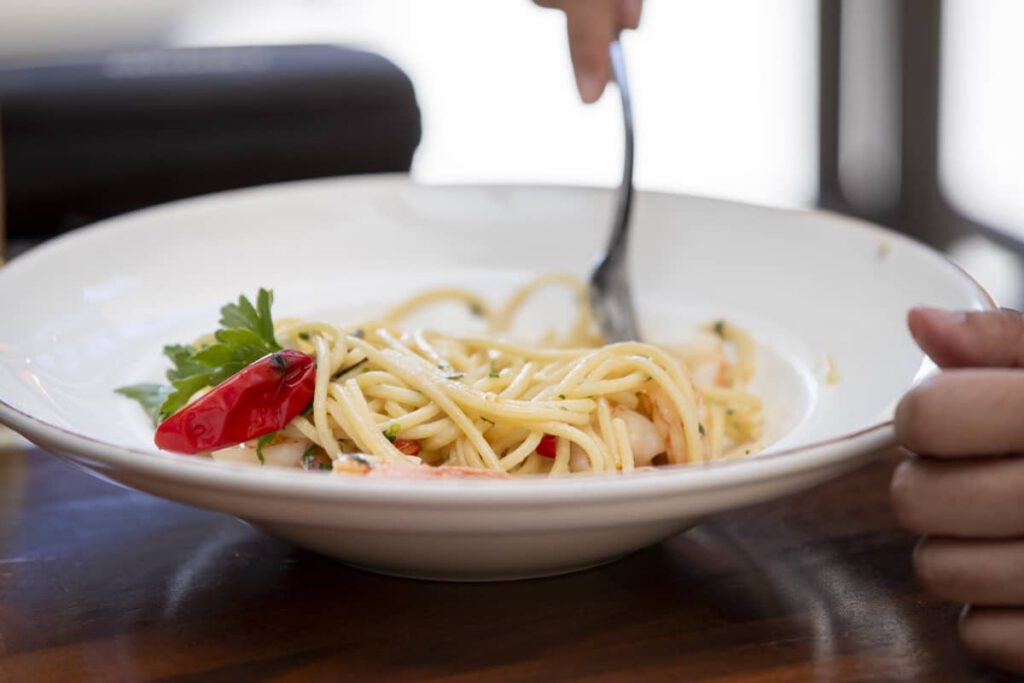
The secret to Italy’s globally adored cuisine lies in one fundamental principle: an unwavering dedication to using seasonal ingredients in Italian cooking. This isn’t just a culinary preference but a deeply ingrained cultural practice, making sure produce is at its peak of flavour and nutritional value.
By following the natural cycles of harvest, traditional Italian cooking, much like that championed by Brisbane’s own Il Verde, consistently delivers dishes that are not only exquisite but also profoundly authentic, reflecting the true spirit of farm-to-table dining.
This deep respect for seasonal ingredients in Italian cooking is what makes a simple meal into a memorable experience. It’s the difference between a pale, watery tomato in winter and a sun-ripened, intensely sweet one in the height of summer. This philosophy celebrates ingredients when they are at their best, allowing their natural quality to be the star of the dish without the need for complicated techniques. It’s a way of cooking that connects us to the land and the rhythm of the year.
This article delves into the rich world of seasonal Italian ingredients, exploring how each season shapes the country’s varied culinary scene and how this philosophy is passionately upheld, even in sunny Brisbane. From the first delicate greens of spring to the hearty roots of winter, you will discover the magic that fresh, seasonal produce brings to every Italian plate and learn how to spot true authenticity in the food you enjoy.
Key Takeaways
-
Italian cuisine thrives on seasonal ingredients, which guarantees peak flavour, optimal nutrition, and genuine authenticity in every dish.
-
Each season dictates the availability of distinct fresh Italian produce, directly influencing the creation of regional and traditional recipes throughout the year.
-
Following seasonality offers significant health benefits by providing nutrient-dense produce and fosters a deeper, more mindful connection to food cycles.
-
Il Verde in Brisbane wonderfully demonstrates this philosophy, offering dynamic menus that celebrate authentic Italian cooking with seasonal produce.
The Heart of Italian Cuisine: Using Seasonal Ingredients
The philosophy of seasonal eating is woven into the very fabric of Italian life; it is not a modern trend but a time-honoured tradition. This approach dictates that ingredients are best enjoyed when they are naturally abundant. This commitment to using fresh Italian produce makes sure that every meal is a celebration of peak flavour and texture. When ingredients are harvested at their prime, their taste is unparalleled, making complex cooking methods unnecessary. The natural sweetness of a summer tomato or the earthy depth of an autumn truffle speaks for itself.
This is the marker of true authenticity. An Italian restaurant that honours tradition will have a menu that shifts and changes with the calendar. You’ll find dishes that highlight what is best right now, a direct contrast to establishments that offer the same static menu year-round. At Il Verde, we build our menus around this very principle, allowing the quality of the ingredients to guide our cooking. This not only improves the dining experience but also connects it to the healthy Mediterranean diet, which is celebrated for its reliance on fresh, nutrient-dense foods. Consuming produce in its natural season means it is packed with more vitamins, minerals, and antioxidants, a pattern well-documented through The National Food Consumption Survey in Italy.
This connection to the seasons is most visible in Italy’s lively local markets. A stroll through a Roman farmers market is a sensory education in Italian food seasons, with stalls overflowing with the day’s harvest. It’s here that chefs and home cooks alike find their inspiration for farm to table Italian cooking. At Il Verde, we champion this same philosophy, sourcing the freshest seasonal and sustainably produced local ingredients to bridge timeless Italian traditions with a contemporary culinary touch. Discover how we bring this passion to life through our dynamic seasonal menu.
“In Italian cooking, the ingredient is king. When you begin with something perfect from the earth, you need to do very little to make it sing.” – A phrase often echoed in Italian culinary traditions.
Spring & Summer: A Symphony of Freshness
As the weather warms, the Italian kitchen changes, moving away from heavy, slow-cooked dishes to use the light, lively produce of spring and summer. This is when traditional Italian ingredients by season truly shine, inspiring dishes that are fresh, colourful, and full of life. The cooking techniques become simpler, focusing on preserving the delicate flavours and crisp textures of the new harvest. It’s a time for zesty salads, lightly dressed pasta, and grilled vegetables that taste of the sun.
Spring’s Gentle Bounty
Spring breathes new life into the culinary scene, bringing a gentle bounty of tender vegetables and early fruits that signal renewal. The flavours are delicate, and the colours are bright, inspiring cooks to create dishes that are as fresh as the season itself. It’s a time for celebrating ingredients that require little intervention to be delicious.
-
Asparagus (Asparagi): A true sign of spring, tender asparagus spears are magnificent in risottos, folded into omelettes, or simply grilled with a drizzle of olive oil and a squeeze of lemon.
-
Peas (Piselli): Sweet, fresh peas are a world away from their frozen counterparts. They are a star in pasta primavera, creamy risottos, or simply served as a side dish with fresh mint.
-
Artichokes (Carciofi): While also a winter staple, the early spring brings smaller, more tender artichokes perfect for dishes like Carciofi alla Romana, where they are braised with herbs until meltingly soft.
-
Fava Beans (Fagioli): A classic spring pairing involves shelling fresh fava beans and eating them raw with chunks of salty Pecorino cheese—a simple, perfect appetiser.
-
Lemons (Limoni): The zesty brightness of fresh lemons is used to awaken the flavours of seafood, pasta sauces, and light, airy desserts.
-
Strawberries (Fragole): The first sweet, fragrant strawberries of the season are a beloved treat, often enjoyed on their own or with a splash of balsamic vinegar.
-
Zucchini Flowers (Fiori di Zucca): These beautiful, delicate blossoms are a seasonal delicacy, often stuffed with ricotta or mozzarella, lightly battered, and fried to a perfect crisp.
Summer’s Lively Harvest
Italian summer is a celebration of abundance, a time when sun-drenched produce reaches its absolute peak of flavour. The cooking is defined by its simplicity, as the ingredients are so intensely flavourful they need very little adornment. It’s a season of outdoor dining, refreshing dishes, and the unmistakable aroma of fresh herbs in Italian cooking.
-
Tomatoes (Pomodori): The undisputed king of the Italian summer, sun-ripened tomatoes are intensely sweet and perfectly acidic. They form the soul of fresh pasta sauces, bruschetta, and the classic Caprese salad.
-
Basil (Basilico): The fragrant, peppery notes of fresh basil are synonymous with summer. It is essential for making authentic pesto and adds a burst of freshness to countless dishes.
-
Aubergine (Melanzane): This versatile vegetable is a cornerstone of summer cooking, essential for classics like Parmigiana di Melanzane and perfect for grilling until smoky and tender.
-
Courgette (Zucchine): Abundant and mild, courgettes are used everywhere—grilled, fried, stirred through pasta, or grated into frittatas.
-
Melon (Melone) & Prosciutto: The iconic pairing of sweet, juicy cantaloupe with savoury, salt-cured prosciutto is the ultimate refreshing summer appetiser.
-
Peaches (Pesche): Incredibly juicy and sweet, fresh peaches are a simple, perfect dessert, sometimes sliced into a glass of white wine.
-
Watermelon (Anguria): Eaten in thick, chilled slices, watermelon is the most refreshing way to cool down on a hot Italian summer day.
Autumn & Winter: Comforting Flavours and Hearty Produce
As the bright days of summer give way to the crisp air of autumn and the chill of winter, the Italian table undergoes a change. The focus shifts from light, raw preparations to rich, comforting meals that warm the body and soul. This is the time for slow-simmered sauces, earthy vegetables, and strong flavours that showcase a different side of traditional Italian ingredients by season. The kitchen becomes a place of warmth, producing Italian fall recipes and winter dishes designed to nourish and satisfy.
Autumn’s Earthy Delights
Autumn is the season of the harvest, a time of bountiful, earthy flavours. The produce is strong, inspiring chefs to create richer, more complex dishes that prepare us for the colder months ahead. It’s a season defined by deep, comforting aromas and the joy of hearty meals shared with loved ones.
-
Mushrooms (Funghi): Wild mushrooms, especially the prized porcini, are an autumn delicacy. Their deep, umami flavour is celebrated in creamy risottos, rich pasta sauces, and hearty stews.
-
Truffles (Tartufi): These highly sought-after fungi are the jewel of autumn cuisine. A few shavings of fresh truffle over pasta or eggs can make a simple dish into a luxurious experience.
-
Pumpkin (Zucca): Sweet and versatile, pumpkin is used in everything from velvety risottos and fillings for tortellini to comforting, hearty soups.
-
Chestnuts (Castagne): Often found roasting on city street corners, chestnuts have a sweet, nutty flavour and are used in stuffings, desserts, and even savoury dishes.
-
Figs (Fichi): The late-season figs are incredibly sweet and succulent. They pair beautifully with prosciutto and sharp cheeses or can be used in decadent desserts.
-
Fennel (Finocchio): With its crisp texture and subtle aniseed flavour, fennel is wonderful eaten raw in salads, or it can be roasted until sweet and caramelised.
-
Broccoli Rabe (Broccoletti): This slightly bitter green is a staple, often simply sautéed with garlic and a pinch of chilli for a classic side dish.
-
Grapes (Uva): Beyond winemaking, sweet table grapes are enjoyed fresh as a simple, healthy dessert after a rich autumn meal.
Winter’s Warming Staples
Italian winter cooking is all about comfort, warmth, and sustenance. The produce is hardy and flavourful, perfectly suited for long, slow cooking methods that develop deep, satisfying tastes. It’s a time for rich stews, baked pasta dishes, and soups that fend off the chill and bring a sense of cosiness to the table.
-
Artichokes (Carciofi): A star of the Roman winter table, artichokes are prepared in numerous ways, from being deep-fried to a crisp (alla Giudia) to being gently braised with herbs (alla Romana).
-
Potatoes (Patate): This humble, versatile staple is the foundation for countless winter dishes, including fluffy gnocchi, roasted sides for meat, and thick, warming soups.
-
Cabbage & Kale (Cavolo & Cavolo Riccio): These hearty, nutrient-rich greens stand up well to slow cooking and are essential components of hearty winter soups like ribollita.
-
Cauliflower (Cavolfiore): Roasted until nutty and sweet, baked into a gratin with cheese, or blended into a creamy soup, cauliflower is a versatile winter vegetable.
-
Oranges (Arancie) & Other Citrus: A bright burst of sunshine in the darker months, citrus fruits like oranges and blood oranges provide essential vitamin C and a zesty flavour to salads and desserts.
-
Fennel (Finocchio): Still in season from autumn, fennel continues to provide a fresh, crunchy contrast to the richer dishes of winter.
-
Radicchio: This beautiful, bitter leaf is often grilled or roasted, which mellows its flavour, and is a fantastic addition to winter risottos.
-
Lentils (Lenticchie): A symbol of prosperity, lentils are traditionally eaten on New Year’s Eve and are used throughout winter in thick, hearty soups and stews.
Il Verde: Bringing Seasonal Italian Authenticity to Brisbane
At Il Verde, we believe that the soul of Italian cooking lies in its ingredients. Our entire philosophy is built on a deep respect for authentic Italian cooking ingredients and the time-honoured traditions they inspire. We bridge the gap between historical recipes from regions like Naples and a modern culinary flair, creating a dining experience that is both genuine and exciting. This dedication starts with sourcing the freshest seasonal and sustainably produced local produce available here in Brisbane.
Our menu is a living celebration of the seasons. The ‘Specials della Settimana’ and our rotating chef’s specials are a direct reflection of what’s best at the market, making sure that our offerings are always dynamic and fresh. This ingredient-centric approach means we favour minimalist cooking, allowing the inherent quality of fresh Italian produce to be the hero of every dish. Our house-made Pappardelle and Gnocchi have a texture and flavour that simply cannot be matched, and our sauces are simmered for hours to develop a remarkable depth. This craftsmanship is evident in our authentic wood-fired pizzas, which boast a signature crisp crust and smoky char that seals in the flavour.
As one of Brisbane’s hidden Italian gems, we are proud to be a gathering place for locals, corporate professionals from Bowen Hills, and families celebrating together. We invite you to experience this philosophy firsthand. Ready to taste the true flavours of Italy, crafted with the freshest seasonal produce right here in Brisbane? Visit Il Verde in Bowen Hills to explore our dynamic seasonal menu. Book a table today and become part of the Il Verde family!
Frequently Asked Questions About Seasonal Italian Cooking
Here are answers to some common questions about the role of seasonal ingredients in authentic Italian food.
What Does ‘Seasonal’ Mean In Italian Cooking?
In Italian cooking, ‘seasonal’ means using ingredients that are harvested at their natural peak of ripeness and abundance. This makes sure they have the best possible flavour, texture, and nutritional value, forming the foundation of authentic farm to table Italian cooking.
Why Is Seasonal Eating So Important In Italian Cuisine?
Seasonal eating is vital because it guarantees superior taste and higher nutritional content, and research on the Inflammatory potential of the diet highlights how food choices directly affect quality of life in Italian adults. It is also a core part of Italy’s cultural heritage, reflecting regional traditions and a deep respect for nature’s cycles. It’s about letting the quality of the ingredient lead the dish.
How Can I Tell If An Italian Restaurant Uses Seasonal Ingredients?
Look for a menu that changes throughout the year or features daily and weekly specials. Authentic restaurants will proudly highlight specific seasonal produce, such as offering Carciofi alla Giudia in winter or dishes celebrating fresh tomatoes in summer. Places like Il Verde make this a central part of their identity.
What are examples of seasonal ingredients in Italian cooking?
Examples of seasonal ingredients in Italian cooking include asparagus and peas in spring, tomatoes and basil in summer, mushrooms and truffles in autumn, and hearty vegetables like cabbage, citrus, and potatoes in winter. Each season brings its own distinct flavours that shape traditional Italian dishes.
How do seasonal ingredients improve Italian dishes?
Seasonal ingredients improve Italian dishes by delivering peak flavour, better texture, and higher nutritional value. Because they are harvested at their best, they require minimal preparation, allowing simple recipes to shine and creating more authentic, vibrant meals.
Conclusion
Seasonality is not just a component of Italian cuisine; it is its very soul. This unwavering commitment to freshness connects diners to a rich culinary heritage and delivers an unparalleled flavour that simply cannot be replicated with out-of-season produce. From the lively Italian seasonal vegetables of spring to the comforting harvests of winter, each period brings its special gifts to the table, creating a delicious experience through the year.
At Il Verde, we are passionate about upholding this philosophy, bringing a genuine taste of Italy’s seasons to the heart of Brisbane. We believe in the power of simple, high-quality ingredients prepared with care and integrity. We invite you to begin this culinary experience with us. Experience the remarkable difference that fresh, authentic ingredients make. Book your table at Il Verde today and taste the season!